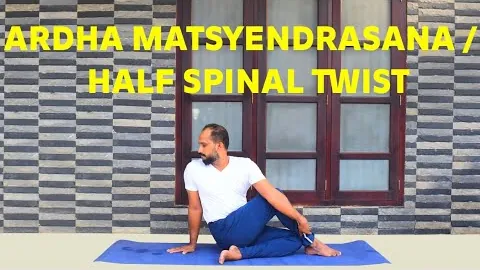
These are useful for one thing in particular: checking a posture you already practise against how it is supposed to be built. What they cannot do is watch you. Most of what goes wrong in an asana goes wrong in a way the person doing it cannot feel, which is the entire reason teachers exist.
So use them between classes rather than instead of them. Watch the entry, not the final shape. The photograph at the end of a posture is the least interesting part of it, and it is the part everybody copies.
If you are practising alone
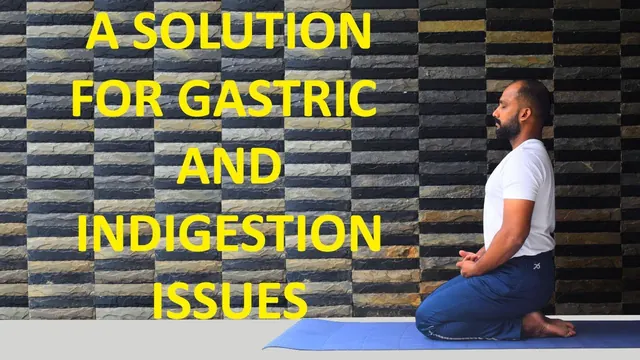
- Work on an empty stomach. Two hours after eating is the ordinary rule, and Vajrasana is the one traditional exception.
- Never force a range of motion to match what you see on a screen. The film shows a teacher who has practised since 2007.
- Stop at pain, as distinct from effort. Effort is the point; pain is information.
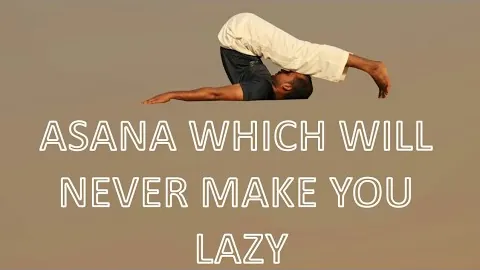
- If you have a neck, spine, blood pressure or eye condition, ask before attempting inversions such as Halasana. This matters more than any other line on this page.
When you want to be corrected rather than to copy, the school teaches seven courses in person at Kovalam and live online, and a single trial class is the fastest way to find out what your version of a posture is actually doing.